


You hear the word blessing all the time. A friend says, “God bless you,” after you sneeze. A parent blesses a child before bed. A pastor blesses a new home. Someone calls a lucky break a blessing in disguise.
But what does it really mean? A blessing can be a prayer, a gift, a kind word, or a simple wish for good. It can come from God, from a priest, or from a friend at your kitchen table. This guide explains the meaning in plain words. It covers the types of blessings. It also shows how you can use them in your own life.
No hard words. No long church talk. Just simple truth you can use today.
Maybe you grew up hearing blessings at church. Maybe you heard them only in movies or in a card from a friend. Either way, this post is for you. It answers the simple questions people ask. It also gives you words to use with your own family and friends.
What Does “Blessing” Mean?
A blessing is a good word spoken over someone or something. It asks for good to come. It can ask God for help, thank God for a gift, or simply wish someone well. The heart of a blessing is always the same: it speaks good over a person, a place, or a moment.
The word blessing comes from an old Latin word, benedicere. It means “to speak good.” That is the whole idea in two small words: a blessing speaks hope, peace, health, and joy over a life.
A blessing is the opposite of a curse. A curse speaks harm over someone, while a blessing speaks good. A curse wishes bad things to happen, but a blessing wishes good things to happen. That is why a blessing feels warm and a curse feels cold.
The word has a few common meanings.
First, a blessing can be a prayer that asks God for help or favor. A parent prays over a sick child, and a pastor prays over a new couple.
Second, a blessing can be a gift or a good thing from God. Good health is a blessing. A kind friend is a blessing. A home, a job, or a safe trip can all be blessings.
Third, a blessing can mean approval or permission. A father gives his blessing to a marriage, and a boss gives her blessing to a new plan. It means, “I agree, and I support you.”
Fourth, a blessing can be a lucky event that looks bad at first. People call this a blessing in disguise. A missed flight can lead to a better trip, and a lost job can open the door to better work. The good was there all along, but it took time to see it.
Blessing vs Prayer vs Wish
People mix up blessings, prayers, and wishes. The three words are close, but they are not the same.
A prayer is a talk with God. You speak to God, and you ask, thank, or praise. A prayer can be silent or spoken out loud, long or as short as one line. Prayer is the talk itself.
A blessing is a good word spoken over a person or a thing. It can be part of a prayer, or it can stand on its own. When you say, “God bless you,” you speak a blessing. A blessing moves outward, from one person to another.
A wish is a hope for something good. You wish a friend a happy birthday or wish for good luck before a test. A wish comes from the heart, but it does not always ask God for help.
Here is an easy way to keep them apart. Prayer talks to God. A blessing speaks good over someone. A wish hopes for good. A blessing can hold all three at once.
Many prayers include a blessing inside them. A parent may pray for a child and end with a blessing. The prayer asks God for care, and the blessing speaks that care over the child.
Types of Blessings
Blessings come in many forms. Some are spoken out loud. Some are written down. Some come from the Bible. Some mark a meal, a home, or a new day.
Spoken Blessings
A spoken blessing is said out loud. A parent blesses a child at bedtime. A friend says, “God bless you,” after a sneeze. A pastor blesses a crowd at the end of a service. Spoken blessings are short and warm, but they can stay in a person’s heart for years.
Written Blessings
A written blessing lives on paper or on a screen. People write blessings in birthday cards, in letters, and in text messages. A written blessing can be read again and again. A spoken word fades fast, but a written blessing stays on a shelf for years and still brings comfort.
Biblical Blessings
The Bible holds many blessings. The best known one comes from Numbers 6:24-26. People have spoken it for thousands of years. Here is the full text from the New International Version (NIV):
“The Lord bless you and keep you; the Lord make his face shine on you and be gracious to you; the Lord turn his face toward you and give you peace.” (Numbers 6:24-26, NIV)
These three lines ask for care, grace, and peace. Pastors still speak this blessing at the end of services today, and families speak it over children at bedtime. It has lasted because it says so much in so few words.
Blessings Over People
People bless other people more than anything else. A mother blesses her child before school. A friend blesses a new graduate. A pastor blesses a married couple. These blessings ask for health, joy, and safety, and they say, “You matter.”
Blessings Over Meals, Objects, and Places
Blessings also cover meals, objects, and places. A family says grace before a meal and thanks God for the food. A priest may bless a new home, a church, or a wedding ring. In each case, the blessing marks the thing as special. It says this meal, this home, or this ring has a purpose.
Who Can Give a Blessing?
Anyone can give a blessing in everyday life. You do not need a title or a special role. A parent can bless a child. A friend can bless a friend. A kind word from a neighbor can be a blessing too. If you can speak good over someone, you can bless them.
Formal blessings are different. A priest, a pastor, or a rabbi gives formal blessings in church or at a ceremony. A wedding blessing and a blessing over a new church belong to this kind. They follow set words and old customs.
Both kinds matter. A formal blessing marks a big moment in life, and an everyday blessing marks the small moments. A parent’s blessing at the breakfast table can mean as much as a pastor’s blessing at a wedding.
How to Use Blessings in Everyday Life
Blessings are not only for church or big days. They fit the small moments of a normal day.
At meals, say a short blessing before you eat. Thank God for the food and for the people at the table. It takes ten seconds, and it turns a meal into a shared moment.
At birthdays, speak a blessing over the birthday person. Wish them health, joy, and a good year ahead. A blessing beats a plain “happy birthday” because it says what you truly hope for them. You can find warm words in these birthday blessings and make them your own.
Before travel, bless the person who is leaving. Ask God to keep them safe on the road and bring them home well. A short blessing at the door can calm a nervous traveler and the family left behind.
At work, bless a coworker who starts a new job or a hard task. Wish them a clear mind and a good result. A kind word at work costs nothing, but it can lift a whole day.
In hard times, a blessing can bring comfort. When someone is sick, bless them with words of peace and healing. When a friend loses a job, bless them with hope for what comes next. Simple words, said with love, are enough.
Start small. Pick one moment each day and speak a blessing into it. A blessing over breakfast. A blessing over a child at bedtime. Small blessings add up, and they change the feel of a home.
Count Your Blessings: A Simple Daily Habit
Counting your blessings is a simple habit. Each night, name three good things from your day. Say them out loud or write them in a notebook. They can be big or small: a warm meal, a call from a friend, a safe drive home. The size does not matter. The act of naming them does.
This habit shifts your focus. A hard day can feel like nothing went right. But when you name three good things, you see the day in a new light.
Try it for one week. Keep a notebook by your bed and write three blessings from each day. After seven days, read the list back. You will see a week full of good things you would have missed. It takes two minutes, and it can change how you see your life.
Parents can share this habit with children. At bedtime, ask each child to name three good things from the day. It helps them sleep with peace, and it teaches them to look for good in life.
10 Short Examples of Blessings
Here are ten short blessings you can speak, write, or send. Each one fits a real moment in life.
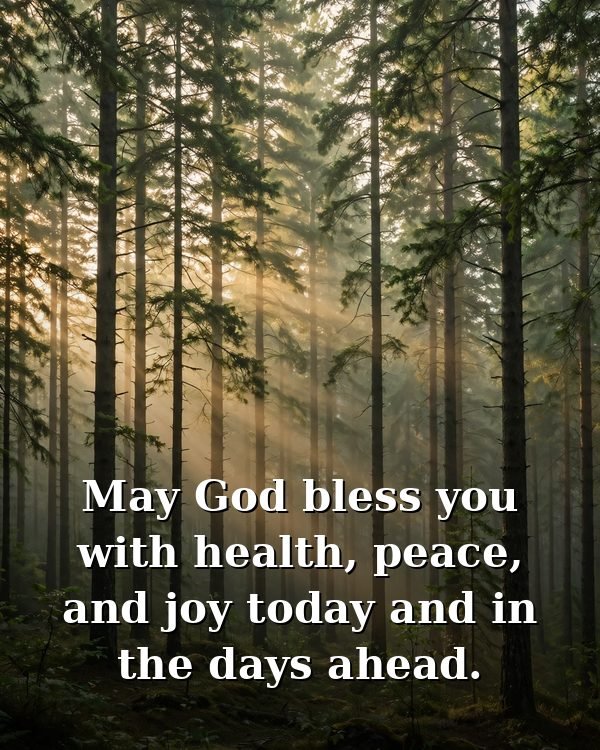
- May God bless you with health, peace, and joy today and in the days ahead.
- May your home be full of love, laughter, and warm meals shared with family.
- May God keep you safe on every road you travel and bring you home well.
- May your birthday bring you joy, good friends, and a year full of hope.
- May God give you strength for hard days and peace that calms your heart.
- May your work bring you joy, fair pay, and kind people to work beside.
- May God bless your children with health, wisdom, and friends who care for them.
- May your morning start with peace and your night end with rest.
- May God bless this meal and the hands that made it with love.
- May you find joy in small things today and hope for the days ahead.
FAQs
Is a blessing the same as good luck?
No, a blessing is not the same as good luck. Good luck is chance, and it can go either way. A blessing is a spoken hope for good, often with a prayer behind it.
Can you bless yourself?
Yes, you can bless yourself. You can pray for your own health, peace, and guidance, and you can speak kind words over your own life. Many people start the day with a short blessing for themselves.
Do you need to be religious to give a blessing?
No, you do not need to be religious to give a blessing. Anyone can speak kind words and wish good for another person. A blessing can be a prayer, or it can be a simple wish for health and joy.
What do you say when someone sneezes?
People often say, “God bless you,” when someone sneezes. The old custom comes from a time when people feared sickness. Today it is a kind habit, a small blessing that says, “I care about you,” in just three words.
A Final Word on Blessings
A blessing is one of the simplest gifts you can give. It costs nothing and takes only a few seconds, yet it can stay with a person for years. A child can still hear a parent’s blessing long after childhood ends.
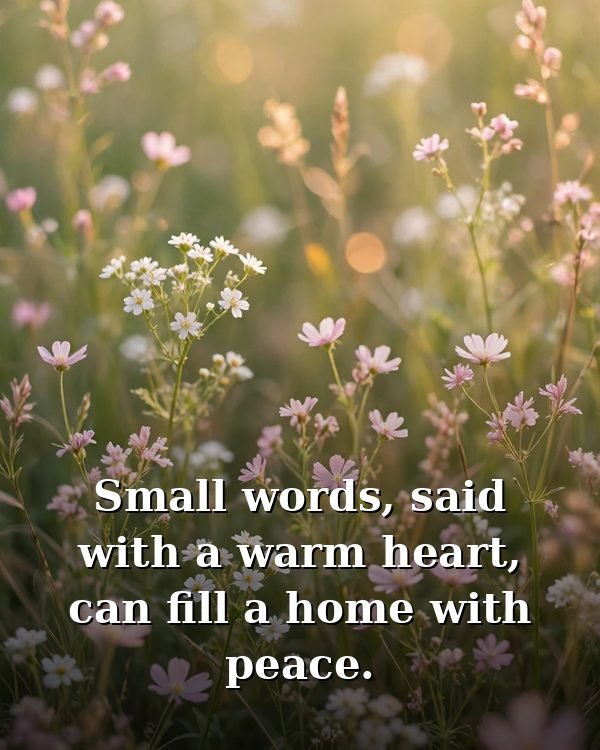
Start today. Speak a blessing over someone you love. Name three good things tonight. Small words, said with a warm heart, can fill a home with peace. That is what a blessing is, and that is why it matters.
Keep exploring: good morning blessings, prayers for family, prayers for son